
Scaling Production: From First Pilot Run to National Rollout
A practical roadmap for food and beverage brands moving from pilot production to national distribution. Learn typical timelines, common scaling pitfalls, and strategies to work successfully with contract manufacturers as your volume grows.
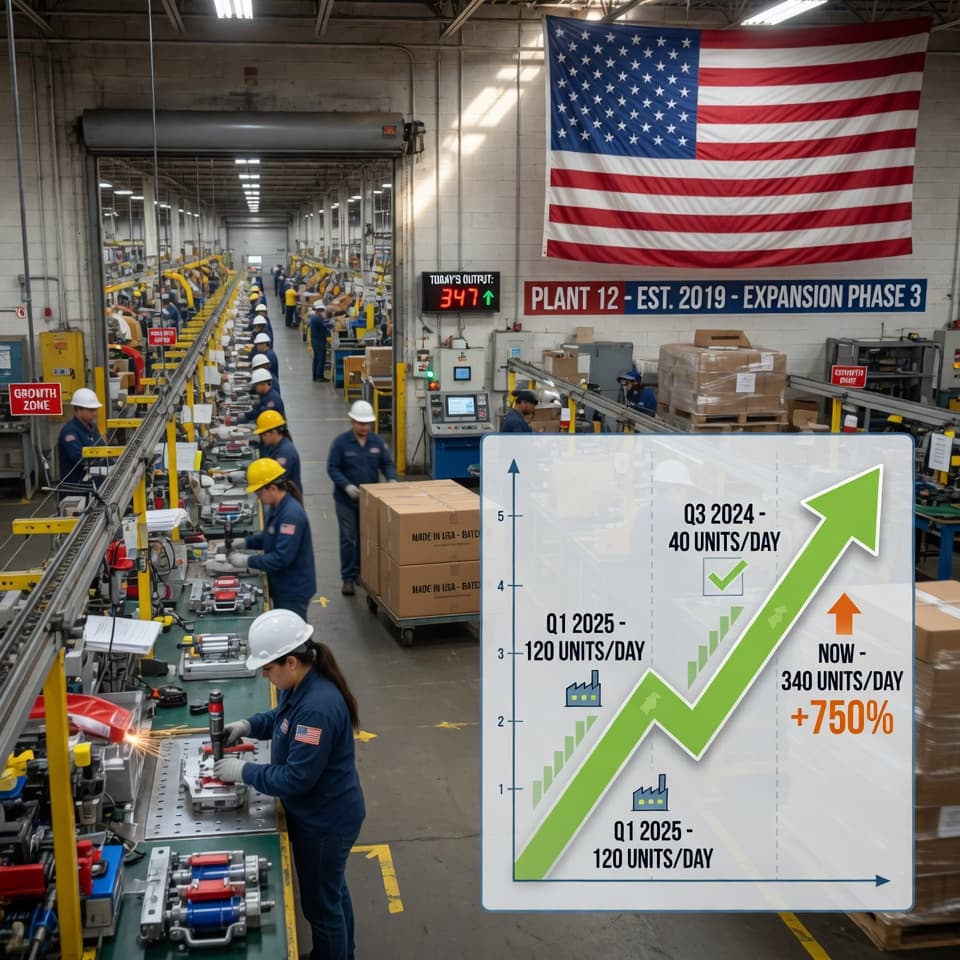
Scaling Production: From First Pilot Run to National Rollout
Congratulations — your product has proven itself in pilot runs and early sales. Now comes the hard part: scaling production without sacrificing quality, margins, or your sanity. Here’s what actually happens when moving from a few thousand units to national distribution.
Typical Timeline: Pilot → Commercial → National
Pilot / Trial runs: 1–3 months (small batches for market testing)
First commercial production: 4–9 months from initial co-packer outreach to consistent runs
Scaling to regional/national: 12–24 months after first commercial run (depending on velocity)
The onboarding phase (audits, trials, approvals) is usually the longest and most underestimated step.
Common Scaling Pitfalls (and How to Avoid Them)
Capacity surprises — Your co-packer suddenly can’t handle your growth. → Solution: Qualify a second manufacturer early and maintain relationships.
MOQ creep — What worked at 5,000 units becomes painful at 50,000. → Solution: Negotiate volume-based MOQ reductions and tiered pricing in your agreement.
Quality drift — Small runs are easy to control; larger runs expose weaknesses. → Solution: Lock in detailed specifications, retain samples, and require ongoing third-party testing.
Cash-flow crunch — Larger orders tie up more capital in inventory. → Solution: Forecast 60–90 days of inventory and negotiate favorable payment terms.
Best Practices for Smooth Scaling
Build redundancy: Don’t put all your production with one facility
Document everything: Detailed specs, approved suppliers, change-control procedures
Schedule production windows months in advance
Plan for retail compliance (Walmart, Amazon, Whole Foods requirements)
Revisit your co-packer agreement every 12–18 months as volume grows
When It Might Be Time to Switch or Add Manufacturers
Lead times stretch beyond 8 weeks
Quality issues increase with volume
Your co-packer can’t (or won’t) meet new retailer certifications
Unit economics no longer make sense
Many successful brands run with 2–3 co-packers by the time they reach national distribution.
Next Steps
Use our directory to identify manufacturers who have successfully scaled brands like yours. Start conversations now — the best partners are often booked months in advance.
Scaling production is one of the biggest tests a brand will face. Do it thoughtfully, and it becomes the foundation for sustainable national growth.